Buy evgym.com ?
We are moving the project
evgym.com .
Are you interested in purchasing the domain
evgym.com ?
domain@kv-gmbh.de · 0541-91531010
Buy evgym.com ?
What causes hair breakage after bleaching from bleaching?
Hair breakage after bleaching can be caused by a variety of factors. The bleaching process strips the hair of its natural moisture and oils, leaving it dry and brittle. This can lead to breakage, especially if the hair is already damaged or weakened. Additionally, over-processing the hair with bleach or leaving the bleach on for too long can also cause breakage. It's important to use a high-quality bleach and follow the instructions carefully to minimize the risk of breakage. Additionally, using deep conditioning treatments and avoiding excessive heat styling can help prevent breakage after bleaching. **
What is bleaching?
Bleaching is a process that involves using chemicals to lighten or remove color from a material or surface. It is commonly used in the textile industry to create white or light-colored fabrics. In terms of hair, bleaching refers to using chemicals to lighten the natural color of the hair. However, bleaching can be damaging to hair and should be done carefully to avoid causing harm. **
Similar search terms for Bleaching
Top-Angebote
Products related to Bleaching:
-
Is bleaching carcinogenic?
Bleaching agents such as hydrogen peroxide and chlorine bleach are not considered to be carcinogenic when used as directed. However, prolonged exposure to high concentrations of these chemicals or misuse can potentially increase the risk of developing cancer. It is important to always follow the safety instructions provided on the product label and use these chemicals in a well-ventilated area to minimize any potential health risks. **
-
Is bleaching harmful?
Bleaching can be harmful if not done properly or if overused. It can weaken the hair and make it more prone to breakage. Additionally, the chemicals in bleaching products can cause scalp irritation and allergic reactions in some individuals. It's important to follow the instructions carefully and consider consulting a professional to minimize the potential harm of bleaching. **
-
How harmful is bleaching?
Bleaching can be harmful to both the environment and human health. The chemicals used in bleaching, such as chlorine, can release toxic substances into the air and water, leading to pollution and potential health risks. Additionally, bleaching can damage the natural ecosystem by disrupting the balance of aquatic life. It is important to use environmentally friendly alternatives to bleaching whenever possible to minimize these harmful effects. **
-
Which bleaching is stronger?
Generally, hydrogen peroxide bleaching is stronger than chlorine bleach. Hydrogen peroxide is a more powerful oxidizing agent, making it more effective at breaking down stains and whitening fabrics. Additionally, hydrogen peroxide is color-safe and less likely to cause damage to colored clothing compared to chlorine bleach. **
Which hair bleaching product?
When choosing a hair bleaching product, it's important to consider the condition and type of your hair. If you have fine or damaged hair, it's best to use a gentle bleach formula to minimize damage. Look for products that contain conditioning agents to help protect and nourish your hair during the bleaching process. Additionally, consider the level of lift you want to achieve and choose a product that is suitable for your desired result. Always follow the instructions carefully and consider doing a patch test before applying the bleach to your entire head. **
Is the bleaching burning?
No, bleaching is not burning. Bleaching is a process that involves using chemicals to lighten the color of hair or fabric, while burning is a process that involves the combustion of a material, resulting in damage or destruction. Bleaching may cause some tingling or discomfort on the scalp, but it should not feel like burning. **
Top-Angebote
Products related to Bleaching:
-
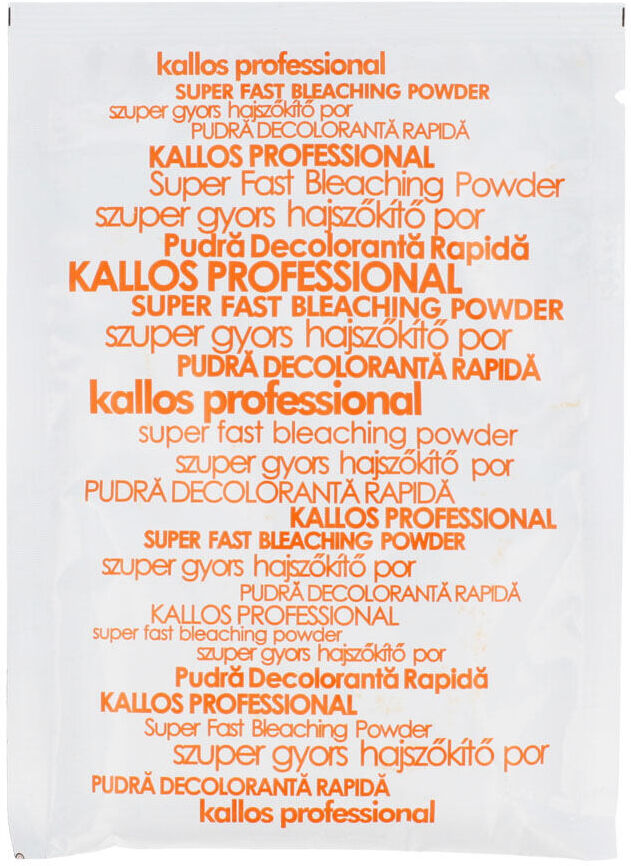
Kallos Cosmetics Kallos Professional Super Fast Bleaching Powder 35 gKallos Professional Super Fast Bleaching Powder 35 g is a fast-acting bleaching powder designed for professional lightening of hair up to several shades. It is suitable for various bleaching techniques - from total lightening, through highlights to balayage. Thanks to its high efficiency and gentle formula, it allows to achieve intense results with minimal damage to the hair fibre. Features Fast-acting lightening powder Allows hair to be lightened by up to 6-8 shades Low dust and easy mixing Suitable for all lightening techniques Handy 35g pack ideal for individual applications Key benefits Effective and fast results Gentle on hair when following the correct procedure Provides an even lightening effect Can be combined with different oxidants according to the desired result Ideal for professional use in salons Use Mix with oxidant emulsion (recommended ratio 1:2) Select the oxidant according to the desired lightening intensity (6%, 9% or 12%) Apply to dry hair and leave on for 20-50 minutes depending on hair type and desired result Regularly check the progress of the bleaching After achieving the desired lightening, rinse hair thoroughly and treat with a restorative treatment Caution For professional use only Wear protective gloves Avoid contact with eyes and skin Keep out of reach of children2,00 €*Shipping: 7,90 €Secure redirect to the provider
-
What causes hair breakage after bleaching from bleaching?
Hair breakage after bleaching can be caused by a variety of factors. The bleaching process strips the hair of its natural moisture and oils, leaving it dry and brittle. This can lead to breakage, especially if the hair is already damaged or weakened. Additionally, over-processing the hair with bleach or leaving the bleach on for too long can also cause breakage. It's important to use a high-quality bleach and follow the instructions carefully to minimize the risk of breakage. Additionally, using deep conditioning treatments and avoiding excessive heat styling can help prevent breakage after bleaching. **
-
What is bleaching?
Bleaching is a process that involves using chemicals to lighten or remove color from a material or surface. It is commonly used in the textile industry to create white or light-colored fabrics. In terms of hair, bleaching refers to using chemicals to lighten the natural color of the hair. However, bleaching can be damaging to hair and should be done carefully to avoid causing harm. **
-
Is bleaching carcinogenic?
Bleaching agents such as hydrogen peroxide and chlorine bleach are not considered to be carcinogenic when used as directed. However, prolonged exposure to high concentrations of these chemicals or misuse can potentially increase the risk of developing cancer. It is important to always follow the safety instructions provided on the product label and use these chemicals in a well-ventilated area to minimize any potential health risks. **
-
Is bleaching harmful?
Bleaching can be harmful if not done properly or if overused. It can weaken the hair and make it more prone to breakage. Additionally, the chemicals in bleaching products can cause scalp irritation and allergic reactions in some individuals. It's important to follow the instructions carefully and consider consulting a professional to minimize the potential harm of bleaching. **
Similar search terms for Bleaching
-
How harmful is bleaching?
Bleaching can be harmful to both the environment and human health. The chemicals used in bleaching, such as chlorine, can release toxic substances into the air and water, leading to pollution and potential health risks. Additionally, bleaching can damage the natural ecosystem by disrupting the balance of aquatic life. It is important to use environmentally friendly alternatives to bleaching whenever possible to minimize these harmful effects. **
-
Which bleaching is stronger?
Generally, hydrogen peroxide bleaching is stronger than chlorine bleach. Hydrogen peroxide is a more powerful oxidizing agent, making it more effective at breaking down stains and whitening fabrics. Additionally, hydrogen peroxide is color-safe and less likely to cause damage to colored clothing compared to chlorine bleach. **
-
Which hair bleaching product?
When choosing a hair bleaching product, it's important to consider the condition and type of your hair. If you have fine or damaged hair, it's best to use a gentle bleach formula to minimize damage. Look for products that contain conditioning agents to help protect and nourish your hair during the bleaching process. Additionally, consider the level of lift you want to achieve and choose a product that is suitable for your desired result. Always follow the instructions carefully and consider doing a patch test before applying the bleach to your entire head. **
-
Is the bleaching burning?
No, bleaching is not burning. Bleaching is a process that involves using chemicals to lighten the color of hair or fabric, while burning is a process that involves the combustion of a material, resulting in damage or destruction. Bleaching may cause some tingling or discomfort on the scalp, but it should not feel like burning. **
* All prices are inclusive of VAT and, if applicable, plus shipping costs. The offer information is based on the details provided by the respective shop and is updated through automated processes. Real-time updates do not occur, so deviations can occur in individual cases. ** Note: Parts of this content were created by AI.