Buy evgym.com ?
We are moving the project
evgym.com .
Are you interested in purchasing the domain
evgym.com ?
domain@kv-gmbh.de · 0541-91531010
Buy evgym.com ?
Does the Nikon Z50 have any value?
Yes, the Nikon Z50 has value for those looking for a compact and lightweight mirrorless camera with good image quality. It offers a 20.9-megapixel APS-C sensor, 4K video recording, and a 209-point hybrid autofocus system. Additionally, it is compatible with Nikon's extensive lineup of Z-mount lenses, making it a versatile option for photographers and videographers. Overall, the Nikon Z50 provides good value for its price point and features. **
What are the differences between the Nikon Z50 and the Nikon D7500?
The Nikon Z50 is a mirrorless camera, while the Nikon D7500 is a DSLR camera. The Z50 has a 20.9-megapixel APS-C sensor, while the D7500 has a 20.9-megapixel APS-C sensor as well. The Z50 has a tilting touchscreen, while the D7500 has a fixed non-touchscreen. The Z50 is smaller and lighter than the D7500, making it more portable for travel and everyday use. **


Similar search terms for Nikon-Z50-II-DX
Top-Angebote
Products related to Nikon-Z50-II-DX:
-
Nikon Z30 + DX 12-28mm f/3.5-5.6 PZ VR - demo model- Nikon Z30 - Eye and animal detection AF - Next generation vlogs (4K UHD) - 11 fps - 20.9 megapixels - Tiltable touchscreen - Wi-Fi/ BLUETOOTH - incl. Nikkor Z DX 12-28mm f/3.5-5.6 PZ VR Demo model959,49 €*Shipping: 0,00 €Secure redirect to the provider
-
Nikon D7500 Body- SLR camera with DX CMOS sensor - 20.9 megapixels - ISO range up to 51,200 (expandable to ISO 1,640,000) - EXPEED 5 image processing processor - low-noise, detailed and sharp images - Videos in 4K/UHD - in-camera electronic image stabilizer - tiltable touchscreen display - SnapBridge with Bluetooth and WiFi980,90 €*Shipping: 0,00 €Secure redirect to the provider
-
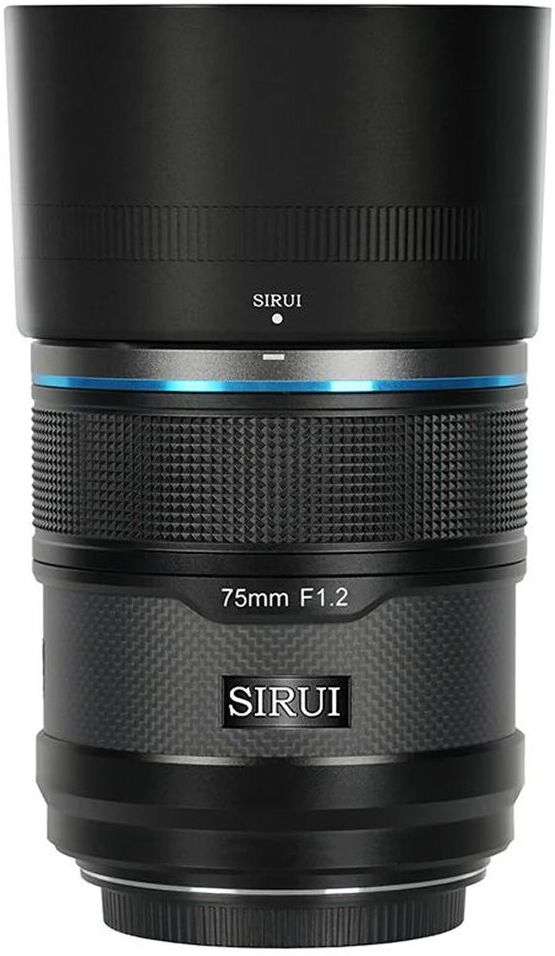
Sirui Sniper 75mm F1.2 APSC Auto-Focus Lens Carbon - Returned goods - Nikon Z (DX) black- Sirui Sniper 75mm F1.2 APSC Auto-Focus Lens Carbon with Z-Mount in the color: Black - F1.2 aperture for low light conditions - precise, fast and quiet autofocus shots - high image quality, strictly controlled aberration and minimal focus breathing - Returned goods - may show slight signs of use362,80 €*Shipping: 0,00 €Secure redirect to the provider


-
How can I switch from a Nikon D3300 to a Nikon Z50 with FTZ adapter?
To switch from a Nikon D3300 to a Nikon Z50 with an FTZ adapter, you will first need to purchase the Nikon FTZ adapter, which allows you to use F-mount NIKKOR lenses on Z series cameras. Once you have the FTZ adapter, you can simply attach it to the Z50 camera body and then mount your existing F-mount NIKKOR lenses onto the adapter. This will allow you to continue using your current lenses with the new Z50 camera. Keep in mind that while the FTZ adapter enables compatibility with F-mount lenses, some features may be limited compared to using native Z-mount lenses. **
-
Which do you prefer, the Nikon Z50 or the Canon EOS 90D?
As an AI, I don't have personal preferences, but I can provide some insights. The Nikon Z50 is a mirrorless camera with a compact design and good image quality, making it a great option for travel and everyday use. On the other hand, the Canon EOS 90D is a DSLR with a higher resolution sensor and better battery life, making it suitable for more professional and demanding photography needs. Ultimately, the choice between the two will depend on individual preferences and specific photography requirements. **
-
Is the Nikon Z50 or the Canon R10 suitable for plane spotting?
Both the Nikon Z50 and the Canon R10 are suitable for plane spotting due to their advanced autofocus systems, high-speed continuous shooting capabilities, and compact size for easy portability. Both cameras also offer excellent image quality and the ability to use a variety of lenses to capture planes in different lighting and distance conditions. Ultimately, the choice between the two will come down to personal preference and which features are most important to the individual photographer. **
-
Does the Nikon AF-S DX Nikkor 35mm 1.8G lens have image stabilization?
No, the Nikon AF-S DX Nikkor 35mm 1.8G lens does not have image stabilization. This lens is a prime lens with a fixed focal length and a wide aperture, but it does not include image stabilization technology. However, it is still a popular choice for its sharpness and low-light performance, especially for portrait and street photography. If image stabilization is a priority, photographers may want to consider other lenses with this feature. **


How do you find the Nikon Z5 with the Nikkor DX 50-250mm lens?
The Nikon Z5 paired with the Nikkor DX 50-250mm lens is a versatile combination that offers great image quality and flexibility for capturing a wide range of subjects. The Z5's full-frame sensor combined with the telephoto reach of the 50-250mm lens allows for detailed shots with beautiful bokeh. The lens also provides a good zoom range for shooting wildlife, sports, or portraits. Overall, this setup is a solid choice for photographers looking for a reliable and high-quality camera and lens combination. **
Can you photograph the night sky with a Nikon AF-S DX Nikkor 35mm 1.8G lens?
Yes, you can photograph the night sky with a Nikon AF-S DX Nikkor 35mm 1.8G lens. This lens has a wide aperture of f/1.8, which allows more light to enter the camera sensor, making it suitable for low-light conditions like astrophotography. However, for capturing detailed shots of stars and galaxies, a lens with a longer focal length and wider aperture may be more ideal. Experimenting with different settings and techniques can help you achieve stunning night sky photos with this lens. **
Top-Angebote
Products related to Nikon-Z50-II-DX:
-
Nikon Z50 II + DX 18-140 VR - Demo Model- Nikon Z50 II - 20.9 megapixels - up to 30 frames per second - Supports the Nikon Imaging Cloud - Tilting and swiveling touchscreen - Expeed 7 processor - Fast-action 4K/60p video in crop mode - 4K UHD / 30p recording - Includes DX 18–140mm f/3.5–6.3 VR - Demo model1446,03 €*Shipping: 0,00 €Secure redirect to the provider
-
Nikon Z30 + DX 12-28mm f/3.5-5.6 PZ VR - demo model- Nikon Z30 - Eye and animal detection AF - Next generation vlogs (4K UHD) - 11 fps - 20.9 megapixels - Tiltable touchscreen - Wi-Fi/ BLUETOOTH - incl. Nikkor Z DX 12-28mm f/3.5-5.6 PZ VR Demo model959,49 €*Shipping: 0,00 €Secure redirect to the provider
-
Does the Nikon Z50 have any value?
Yes, the Nikon Z50 has value for those looking for a compact and lightweight mirrorless camera with good image quality. It offers a 20.9-megapixel APS-C sensor, 4K video recording, and a 209-point hybrid autofocus system. Additionally, it is compatible with Nikon's extensive lineup of Z-mount lenses, making it a versatile option for photographers and videographers. Overall, the Nikon Z50 provides good value for its price point and features. **
-
What are the differences between the Nikon Z50 and the Nikon D7500?
The Nikon Z50 is a mirrorless camera, while the Nikon D7500 is a DSLR camera. The Z50 has a 20.9-megapixel APS-C sensor, while the D7500 has a 20.9-megapixel APS-C sensor as well. The Z50 has a tilting touchscreen, while the D7500 has a fixed non-touchscreen. The Z50 is smaller and lighter than the D7500, making it more portable for travel and everyday use. **
-
How can I switch from a Nikon D3300 to a Nikon Z50 with FTZ adapter?
To switch from a Nikon D3300 to a Nikon Z50 with an FTZ adapter, you will first need to purchase the Nikon FTZ adapter, which allows you to use F-mount NIKKOR lenses on Z series cameras. Once you have the FTZ adapter, you can simply attach it to the Z50 camera body and then mount your existing F-mount NIKKOR lenses onto the adapter. This will allow you to continue using your current lenses with the new Z50 camera. Keep in mind that while the FTZ adapter enables compatibility with F-mount lenses, some features may be limited compared to using native Z-mount lenses. **
-
Which do you prefer, the Nikon Z50 or the Canon EOS 90D?
As an AI, I don't have personal preferences, but I can provide some insights. The Nikon Z50 is a mirrorless camera with a compact design and good image quality, making it a great option for travel and everyday use. On the other hand, the Canon EOS 90D is a DSLR with a higher resolution sensor and better battery life, making it suitable for more professional and demanding photography needs. Ultimately, the choice between the two will depend on individual preferences and specific photography requirements. **
Similar search terms for Nikon-Z50-II-DX
-
Nikon D7500 Body- SLR camera with DX CMOS sensor - 20.9 megapixels - ISO range up to 51,200 (expandable to ISO 1,640,000) - EXPEED 5 image processing processor - low-noise, detailed and sharp images - Videos in 4K/UHD - in-camera electronic image stabilizer - tiltable touchscreen display - SnapBridge with Bluetooth and WiFi980,90 €*Shipping: 0,00 €Secure redirect to the provider
-
Sirui Sniper 75mm F1.2 APSC Auto-Focus Lens Carbon - Returned goods - Nikon Z (DX) black- Sirui Sniper 75mm F1.2 APSC Auto-Focus Lens Carbon with Z-Mount in the color: Black - F1.2 aperture for low light conditions - precise, fast and quiet autofocus shots - high image quality, strictly controlled aberration and minimal focus breathing - Returned goods - may show slight signs of use362,80 €*Shipping: 0,00 €Secure redirect to the provider
-
Nikon Z6 II + Nikkor Z 24-200 mm f/4.0-6.3 VR - return model- Mirrorless full-frame system camera - 24.5 megapixel - tilting 8 cm touch monitor - 1.27 cm OLED viewfinder - Image stabilizer (VR) - Hybrid AF (phase and contrast detection) - ISO 100 to 51,200 - integrated stereo microphone - 4K/60p video - WiFi/Bluetooth - incl. Nikkor Z 24-200 mm f/4.0-6.3 VR - Return model2586,42 €*Shipping: 0,00 €Secure redirect to the provider
-
Nikon Z8 Body - Demo Model- Full-frame sensor with an impressive 45.7 megapixels - ISO range of 64–25,600 - 5-axis image stabilization combinable with in-lens VR for up to 6 stops of shake compensation - Exceptional video camera with 8.3K resolution and 60 fps in N-RAW with 12-bit color depth. - 3.2-inch monitor with a four-way mechanism that tilts horizontally and vertically - Two memory card slots for CF-Express and SD cards - Useful Pre-Release Capture mode - Demo model4081,74 €*Shipping: 0,00 €Secure redirect to the provider
-
Is the Nikon Z50 or the Canon R10 suitable for plane spotting?
Both the Nikon Z50 and the Canon R10 are suitable for plane spotting due to their advanced autofocus systems, high-speed continuous shooting capabilities, and compact size for easy portability. Both cameras also offer excellent image quality and the ability to use a variety of lenses to capture planes in different lighting and distance conditions. Ultimately, the choice between the two will come down to personal preference and which features are most important to the individual photographer. **
-
Does the Nikon AF-S DX Nikkor 35mm 1.8G lens have image stabilization?
No, the Nikon AF-S DX Nikkor 35mm 1.8G lens does not have image stabilization. This lens is a prime lens with a fixed focal length and a wide aperture, but it does not include image stabilization technology. However, it is still a popular choice for its sharpness and low-light performance, especially for portrait and street photography. If image stabilization is a priority, photographers may want to consider other lenses with this feature. **
-
How do you find the Nikon Z5 with the Nikkor DX 50-250mm lens?
The Nikon Z5 paired with the Nikkor DX 50-250mm lens is a versatile combination that offers great image quality and flexibility for capturing a wide range of subjects. The Z5's full-frame sensor combined with the telephoto reach of the 50-250mm lens allows for detailed shots with beautiful bokeh. The lens also provides a good zoom range for shooting wildlife, sports, or portraits. Overall, this setup is a solid choice for photographers looking for a reliable and high-quality camera and lens combination. **
-
Can you photograph the night sky with a Nikon AF-S DX Nikkor 35mm 1.8G lens?
Yes, you can photograph the night sky with a Nikon AF-S DX Nikkor 35mm 1.8G lens. This lens has a wide aperture of f/1.8, which allows more light to enter the camera sensor, making it suitable for low-light conditions like astrophotography. However, for capturing detailed shots of stars and galaxies, a lens with a longer focal length and wider aperture may be more ideal. Experimenting with different settings and techniques can help you achieve stunning night sky photos with this lens. **
* All prices are inclusive of VAT and, if applicable, plus shipping costs. The offer information is based on the details provided by the respective shop and is updated through automated processes. Real-time updates do not occur, so deviations can occur in individual cases. ** Note: Parts of this content were created by AI.